
Sussex Nature Recovery
A collective blueprint for targeted action

East Sussex, West Sussex and Brighton & Hove are home to wondrous and iconic wildlife including internationally rare habitats and species. But like the rest of the UK, nature in Sussex urgently needs our help.
Local Nature Recovery Strategies are a new approach to help us do that, and everyone in Sussex can take part.

A collective blueprint for targeted action
Local Nature Recovery Strategies (LNRS) are a statutory requirement from the Environment Act 2021. Their aim is to identify the important places for nature that are left, and encourage and target opportunities to restore or create it, where this can have the most benefit for wildlife and people.
The West Sussex LNRS and the East Sussex and Brighton & Hove LNRS are two of 48 strategies that have been prepared across the whole of England. These collaboratively produced blueprints show where there’s a need and the appetite to recover important habitats and species to target funding, investment and action.
During their preparation, residents, community groups, land managers and organisations in Sussex were invited to develop shared priorities for nature’s recovery and identify how and where these could be delivered.
Now published, and containing over 100 practical actions to recover nature at all scales, everyone in Sussex can get involved in taking their LNRS forward.

Bluebells in Sussex by Derek Middleton Copyright @Sussex Wildlife Trust
Why LNRS are needed
Spending time in nature is good for our health and wellbeing. It gives us our food and water, supports jobs and the economy, and provides other things we may take for granted: clean air, clean water, the regulation of our climate, protection from flooding and much more.
But nature desperately needs our help. One in six of our UK species are at risk of extinction. Nearly half of our wildlife has been lost since the 1970s and the UK is one of the most nature-depleted countries in the world. (State of Nature Report 2023)
Coordination and collaboration are needed at the local level to maximise efforts and agree where and how to act.
How they have been developed in 6 steps
Though every LNRS around the country will be unique to the area it covers, they all follow a process set out by Defra. The key stages are below.
1. Baseline information created 2. Local priorities gathered 3. Priorities Shortlisted 4. Potential measures identified 5. LNRS documents created The next stage will bring everything together into a Statement of Biodiversity Priorities and a Local Habitat Map. The map will add to the existing areas that are important for nature (described in stage 1), to show where future effort should be concentrated to deliver the outcomes and actions identified through the LNRS process. 6. Public consultation, publication and review The draft LNRS documents for the East Sussex, Brighton & Hove, and West Sussex will be shared on this site for feedback, before being published in 2025. The strategies will be reviewed every 3-10 years to assess what actions for nature have been taken since the strategy was last published.


Latest News
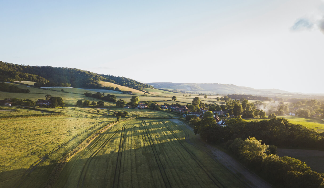
Local Nature Recovery Strategies - Published!
A milestone reached!
A Blueprint for Seascape Recovery
The Blueprint can act as a voluntary marine extension to our LNRS
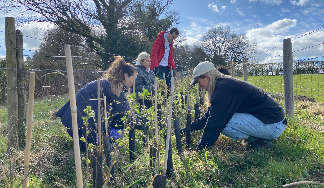
Looking ahead: the LNRS delivery phase
With publication of the LNRS imminent, we look ahead to implementation
